
Looking after lawns, the right way.
Mow · Edge · Scarify · Overseed · Feed
Looking after lawns, the right way.
Mow · Edge · Scarify · Overseed · Feed
Scarify · Aerate · Top dress · Overseed — one September job.
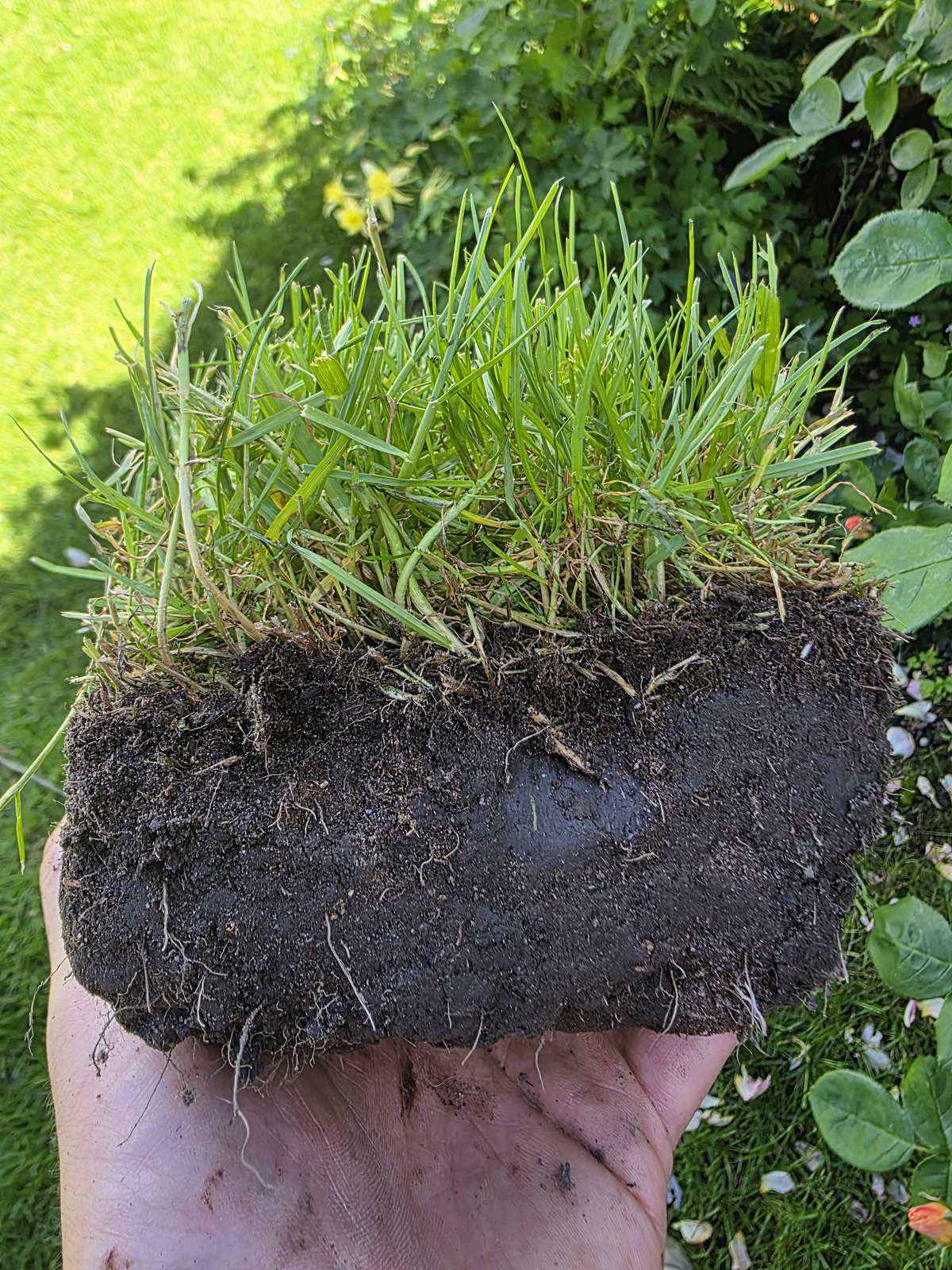
Come September, the mowing starts to ease off and the soil's still warm from summer — and that's the window for the work that actually changes a lawn. Not a feed, not a quick tidy, but a full renovation: scarify, aerate, top dress and overseed, done as one job while the conditions are right.
I take on just four of these each September. There's only a handful of good weeks in the year for it, and I do every one myself, one lawn at a time — so it's worth getting in touch early to hold a spot.
Scarification. Between the green blades and the soil, a layer of dead grass, moss and old organic matter builds up over the year — thatch. A thin layer is normal and healthy. Too much and it works like a sponge, holding water at the surface, keeping air from the roots, and giving moss and disease somewhere to sit. Scarifying rakes that layer out with rotating blades and opens the lawn back up. It looks dramatic on the day — the lawn comes out thin and scratched-looking — but that's the whole point. You're clearing the way for fresh growth.
Aeration. Over a season the soil compacts — foot traffic, mowing, rain — and compacted soil has no room for the air pockets roots need. Aeration opens channels down into the root zone so air, water and nutrients can get back to where the grass actually lives. On the heavy clay soil around here, it makes a real difference to drainage and to how deep the roots can go.
Top dressing. A blend of sand and quality loam worked into the surface after aerating. It fills the holes, smooths out minor bumps and hollows, and — done year on year — steadily builds a heavy clay soil into something that drains and grows better. It also gives new seed a good bed to settle into.
Overseeding. Fresh seed sown across the whole lawn, not just the bare patches. Even a healthy lawn thins a little over a year, and older lawns are often growing tired, hard-wearing grasses from decades ago rather than the tougher, finer cultivars available now. Overseeding thickens the sward, crowds moss and weeds out by sheer density, and lets me bring in better grass. Sown into warm September soil with the autumn moisture coming, it strikes fast.
Each step sets up the next — clear the thatch, relieve the compaction, improve the bed, sow into prepared ground. Done together in the right window, they compound into something none of them manages alone.
The soil's still warm, so seed germinates quickly. The autumn rain does the watering for you. And the grass has weeks to establish before winter, without the stress of summer heat. Miss the window and you're waiting for spring, when weeds are competing hardest and the results are slower. That's the honest reason I only take four on — the good weeks are few, and I'd rather do a small number the right way than rush them.
New-build lawns are often the thinnest going. The turf gets laid over subsoil that's been driven across by heavy machinery for months, sometimes with rubble still underneath, or a cheap seed mix that never really took. If you've moved into a newer place in the last few years and the lawn's never looked right, the problem is almost always underneath it. Aeration and overseeding, with top dressing to start building a real soil layer, is exactly the work that turns a patchy builder's lawn into one that'll actually thrive.
A thicker, healthier lawn that drains better, shrugs off moss and drought, and comes back stronger each year. No quick fixes — just the fundamentals done the right way, once a year, in the season that suits the grass.
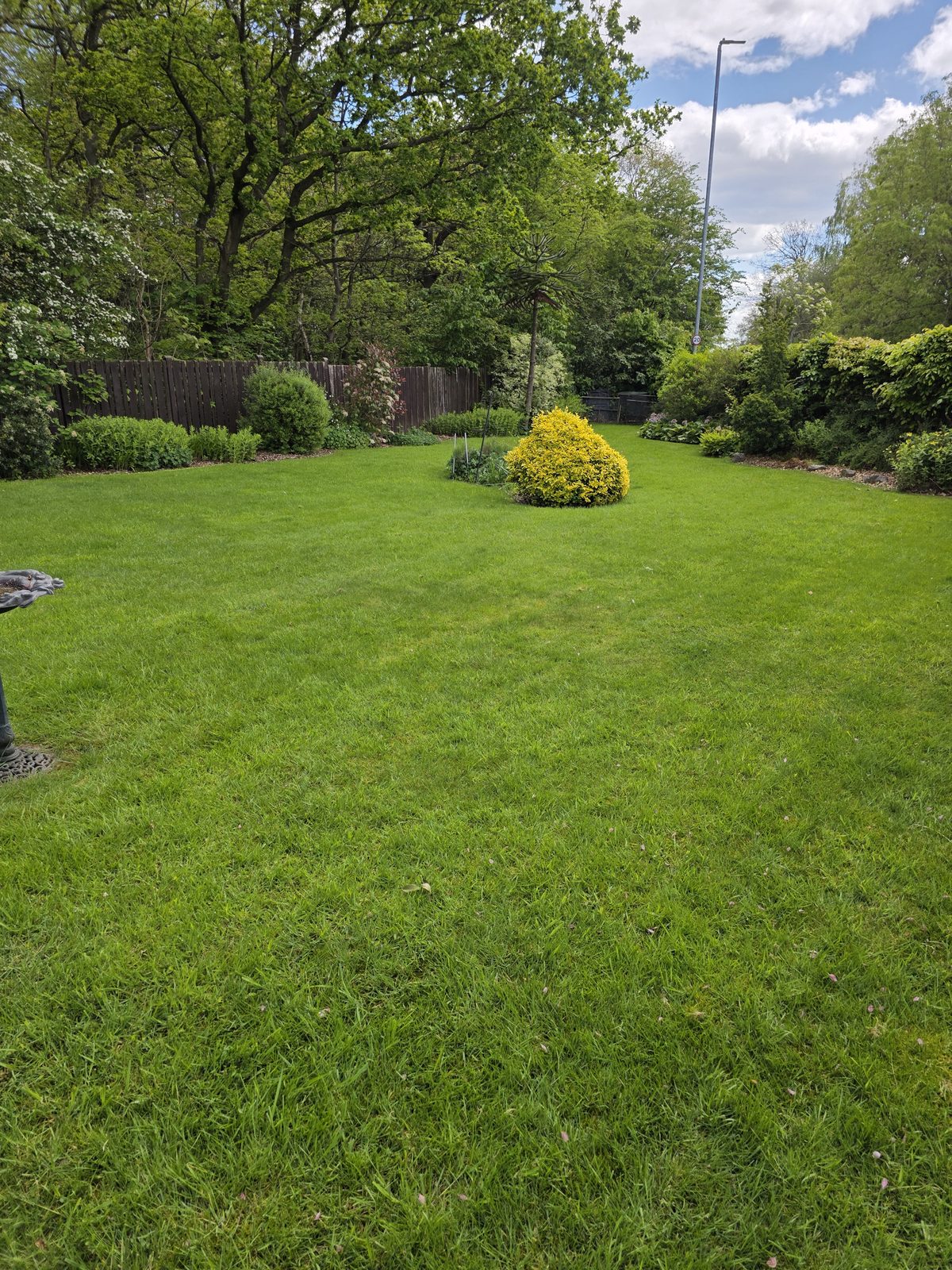
If your lawn's looked tired this year, drop me a message and I'll come have a look. No obligation — just a straight answer on whether renovation would help, and what I'd do.
— Cam
Cam has done a brilliant job cutting my lawns today. Prompt arrival, friendly professional service. Garden looks amazing. Highly recommended. I've finally found a good gardener. — Rita, Kippax